Freezer Meals for One: How to Freeze Single Portions Safely
By Small Table Kitchen · Updated 2026-11-16
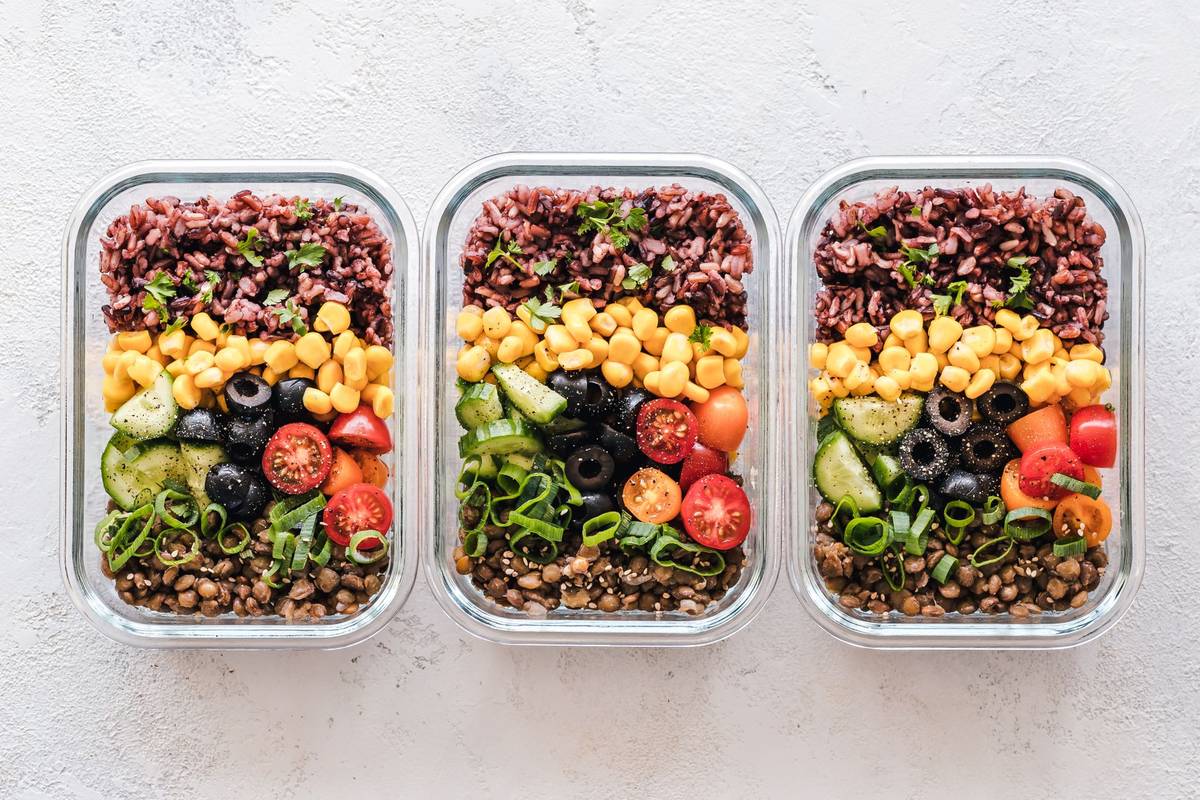
You cook a pot of something on Sunday, eat it Monday and Tuesday, and by Thursday the rest is a container you are afraid to open. Cooking for one is not the problem. The problem is that most recipes make six servings and the freezer is the only place the extra can go. This guide shows how to freeze single portions so they stay safe and are easy to use, with four recipes from US government pages that are worth a batch, and the storage rules we took from federal food-safety pages.
Our own part is the plan: which recipe to freeze in which size, how to pack it and when to use it. We have not cooked these recipes in our own kitchen, so where the sources are silent we say so instead of guessing.
What the food-safety pages say about freezing
Most worry about the freezer comes from mixing up two questions: is it safe, and is it still good to eat? The federal pages keep them apart, and you should too.
- The USDA Freezing and Food Safety page says food stored constantly at 0°F will always be safe, and that only quality suffers with lengthy freezer storage.
- The USDA Freezing and Food Safety page says freezing keeps food safe by causing microbes to enter a dormant stage.
- The USDA Freezing and Food Safety page says that once food is thawed, microbes can become active again, so you must handle thawed items as you would any perishable food.
- The FoodSafety.gov 4 Steps to Food Safety page says to set your refrigerator to 40°F or below and your freezer to 0°F or below, and to use an appliance thermometer to be sure.
In plain words: a portion frozen at 0°F does not spoil, but its taste and texture slowly fade, so the dates on your labels are about quality. The days in the refrigerator are the ones that matter for safety.
How to freeze a single portion
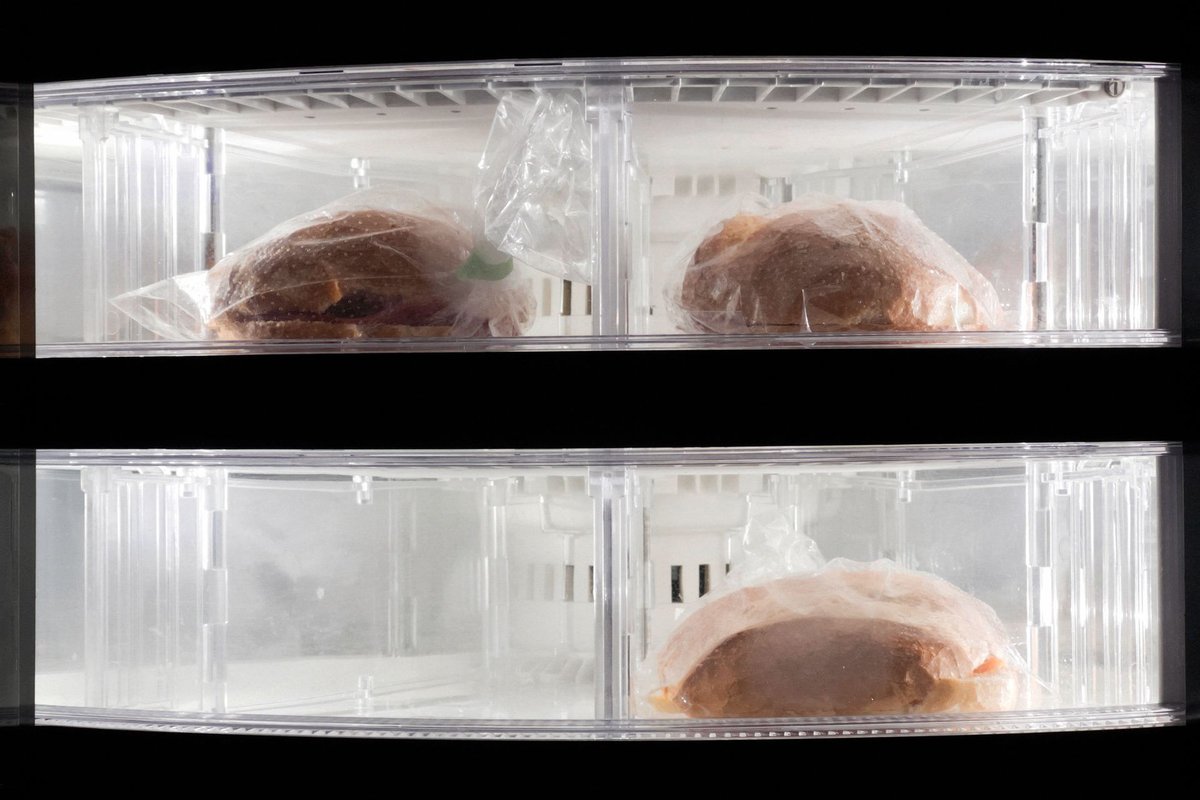
A single portion is the whole idea. You thaw one meal, not a block that feeds four.
- Cool, then pack. The FoodSafety.gov 4 Steps to Food Safety page says leftovers should be placed in shallow containers and refrigerated promptly so they cool quickly. A shallow container also makes a thin, flat portion.
- Freeze it fast. The USDA Freezing and Food Safety page says to freeze food as fast as possible, and that a food 2 inches thick should ideally freeze completely in about 2 hours.
- Do not stack at first. The USDA Freezing and Food Safety page says never to stack packages to be frozen, but to spread them in one layer and stack them only after they are frozen solid.
- Keep the air out. The USDA Freezing and Food Safety page says freezer burn is caused by air coming in contact with the surface of the food, and that it makes food dry in spots rather than unsafe. Press the wrap against the food or squeeze the air out of the bag.
- Label it. Write the dish and the date. You will not remember which flat bag is the sloppy joe filling and which is the soup.
- Freeze within a few days. The USDA Freezing and Food Safety page says to freeze leftovers within 3 to 4 days.
What does not freeze well
The USDA Freezing and Food Safety page says some foods simply do not freeze well, and names mayonnaise, cream sauce and lettuce as examples. Freeze the cooked filling, and add the fresh toppings on the day you eat it.
1. Savory meatball muffins
These are small meatloaves baked in a muffin pan, so each one is already a portion. The Nutrition.gov savory meatball muffins recipe is published for 6 servings, with 10 minutes of prep and 1 hour of cooking. It uses 12 muffin cups, which comes to 2 muffins per serving. We did not scale it, because one batch becomes six dinners for the freezer.
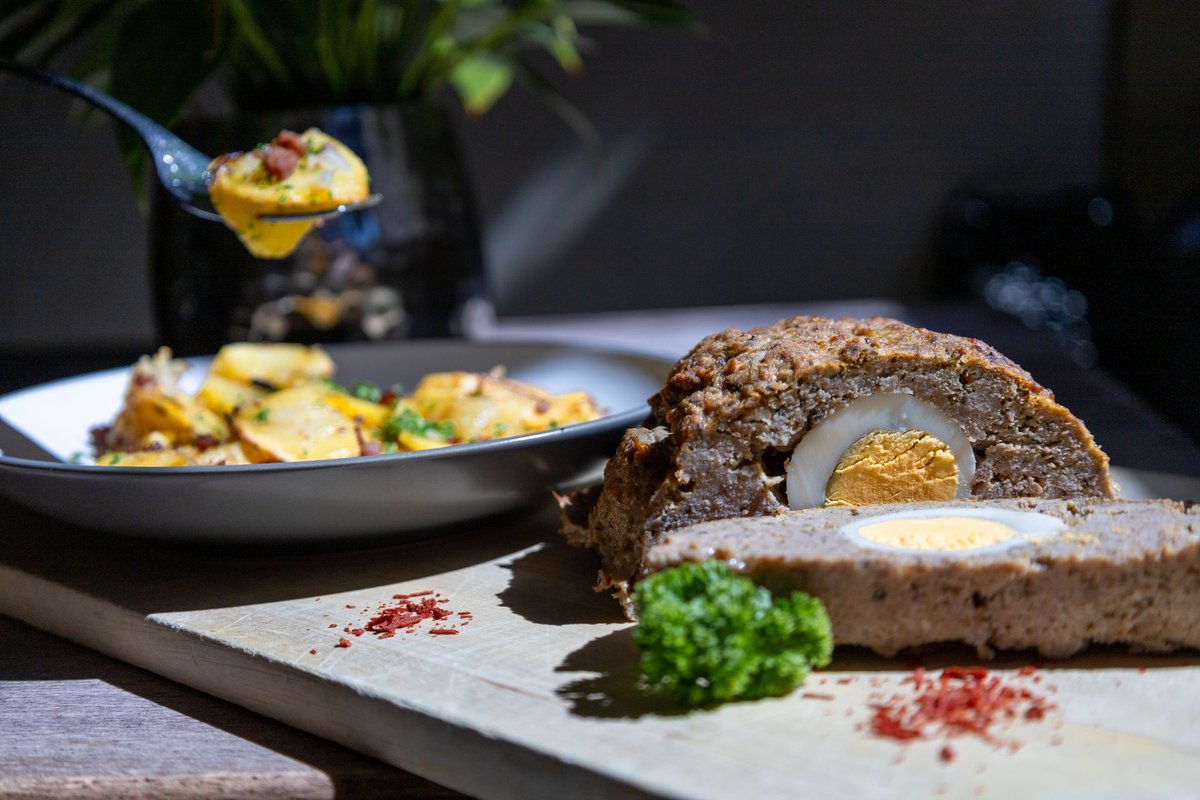
You need (full batch, 12 muffins): 1 large egg; 1/2 cup nonfat milk; 1 pound lean ground beef; 3 tablespoons chopped onion; 1/2 teaspoon salt; 1/2 cup grated cheese, any kind.
- Heat the oven to 350°F and grease 12 muffin cups.
- Mix everything until just combined. Stop as soon as it looks even.
- Divide the mixture among the muffin cups.
- Bake for 1 hour, then check the center with a food thermometer.
- Cool slightly, take the muffins out of the pan and cool them completely before you pack them.
The Nutrition.gov savory meatball muffins recipe divides the mixture among 12 greased muffin cups and bakes it at 350°F for 1 hour, or until the center reaches 160°F. The Nutrition.gov savory meatball muffins recipe says not to over mix, because too much mixing can make a meatloaf tough. The FoodSafety.gov safe minimum temperature chart gives 160°F for ground meat and sausage.
To freeze: pack 2 muffins per bag or container, one layer deep, and label the date. Eat one portion that night and freeze the other five.
2. Mushroom beef sloppy joe filling
The Nutrition.gov mushroom beef sloppy joes recipe is published for 4 servings, with 5 minutes of prep and 25 minutes of cooking. It is a good freezer recipe because it uses only 1/4 pound of ground beef for the whole pan, so it is also easy on the grocery bill. The Nutrition.gov mushroom beef sloppy joes recipe says chopped mushrooms, when sautéed, blend seamlessly with ground meats.
You need (4 servings): 1/2 pound white button mushrooms; 1/2 pound cremini mushrooms; 1/4 pound ground beef (90% lean); 1 1/2 teaspoons canola oil; 1/2 cup chopped onion; 1 clove garlic, minced; 8 ounces no-salt-added tomato sauce; 1 tablespoon chili powder; 3 teaspoons brown sugar; 1 teaspoon cider vinegar; 1/8 teaspoon ground black pepper; 4 whole-wheat hamburger buns.
- Chop the mushrooms about as fine as cooked ground beef.
- Cook the beef and mushrooms in a sauté pan over medium-high heat until the beef is done, then take them out of the pan.
- Cook the onion and garlic in the pan until golden.
- Put the beef and mushrooms back in with the oil, tomato sauce, chili powder, brown sugar, vinegar and pepper.
- Simmer for about 10 minutes and remove from the heat.
The Nutrition.gov mushroom beef sloppy joes recipe has you simmer the mixture for about 10 minutes. Freeze the filling in 4 flat portions and buy the buns only for the nights you eat it. The FoodSafety.gov safe minimum temperature chart gives 165°F for leftovers of any type. Reheat each portion to that temperature before you eat it.
3. Tofu breakfast burritos for the freezer
Breakfast for dinner is one of the easiest nights for one person. The Nutrition.gov tofu breakfast burrito recipe makes 4 burritos, with 15 minutes of prep and 10 minutes of cooking. One batch is four single dinners.
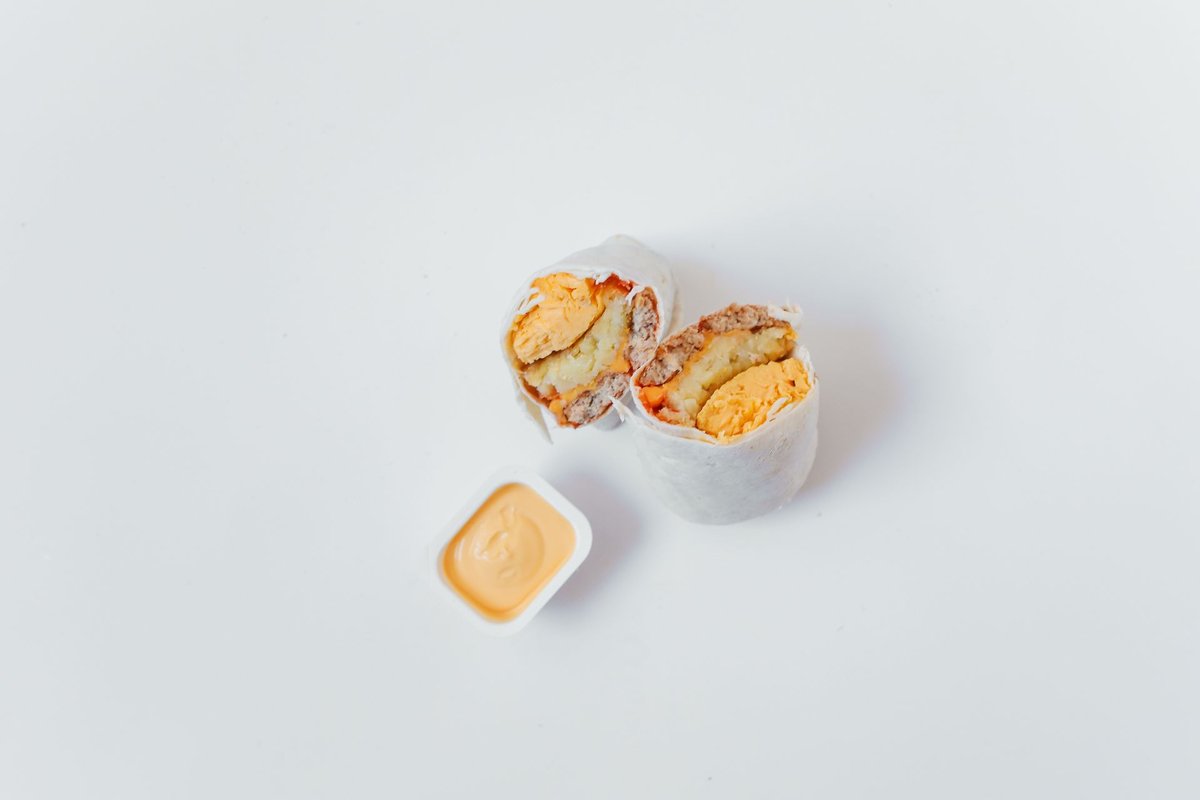
You need (4 burritos): 8 ounces firm tofu, drained and cubed; 1 tablespoon olive oil; 1 cup sliced baby portabella mushrooms; diced onion, tomato and bell pepper; salt; 1 cup shredded 2% cheddar cheese; 4 whole-wheat tortillas, 8 inches; 4 tablespoons softened reduced-fat cream cheese; 4 tablespoons salsa. The page gives no amount for the onion, tomato, bell pepper or salt, so use what looks right to you.
- Spread the cubed tofu on paper towels to dry a little.
- Heat the oil in a large skillet over medium heat. Cook the mushrooms, onion, tomato and pepper, stirring often, until tender.
- Crumble in the tofu with the salt and cook until it is soft and well combined. Turn off the heat and stir in the cheddar.
- Spread 1 tablespoon of cream cheese down the center of each tortilla, add a quarter of the filling and 1 tablespoon of salsa, then fold in the sides and roll up.
The Nutrition.gov tofu breakfast burrito recipe has you cook the vegetables for about 5 to 10 minutes, until tender, then add the crumbled tofu and cook about 5 more minutes.
To freeze: let the burritos cool, wrap each one tightly and freeze them in a single layer. The recipe says nothing about freezing, and we have not tested it, so freeze one first and see whether you like it after a few weeks before you freeze all four. Reheat until the burrito is hot all the way through, to 165°F in the middle.
4. Blueberry oatmeal pancakes, one stack at a time
The Nutrition.gov blueberry oatmeal pancakes recipe lists a yield of 4, with 15 minutes of prep and 20 minutes of cooking. If you eat a stack on Saturday, the rest are your breakfasts or a quick dinner for the weeks ahead.
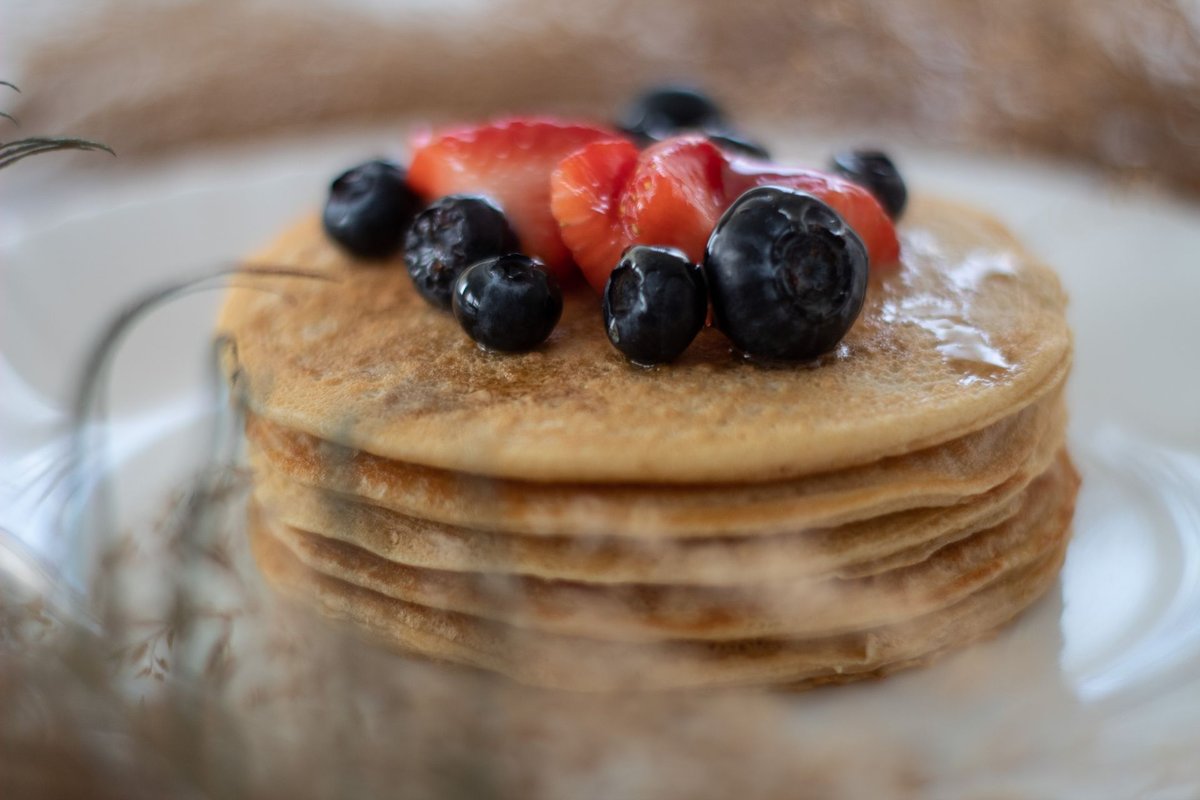
You need (yield of 4): 1 cup old-fashioned rolled oats; 1 cup lowfat buttermilk; 1/4 cup whole-wheat flour; 1 1/2 tablespoons sugar; 1/2 teaspoon baking powder; 1/2 teaspoon baking soda; 1 large egg, beaten; 2 tablespoons unsalted butter, melted and cooled; 1/2 cup fresh or frozen blueberries; nonstick spray.
- Stir the oats into the buttermilk and refrigerate, covered, for at least 30 minutes.
- Whisk the flour, sugar, baking powder and baking soda in a second bowl.
- Stir the flour mixture, egg, butter and blueberries into the oats.
- Cook the batter 1/4 cup at a time in a sprayed nonstick skillet over medium heat, leaving at least 1/2 inch between pancakes.
- Flip when bubbles form and the edges look dry, then cook the other side until golden brown.
The Nutrition.gov blueberry oatmeal pancakes recipe portions the batter 1/4 cup at a time and cooks each pancake about 3 to 4 minutes on the first side and 1 to 2 minutes on the second.
To freeze: cool the pancakes on a rack, lay them in one layer on a tray until firm, then bag them in portions of two or three. The recipe says nothing about freezing, so treat the first bag as a test.
The freezer clock, in one table
The FoodSafety.gov Cold Food Storage Chart gives its refrigerator times for 40°F or below and its freezer times for 0°F or below.
| Food | Refrigerator | Freezer |
|---|---|---|
| Soups and stews | 3 to 4 days | 2 to 3 months |
| Leftover cooked meat or poultry | 3 to 4 days | 2 to 6 months |
| Pizza | 3 to 4 days | 1 to 2 months |
| Casseroles with eggs, after baking | 3 to 4 days | 2 to 3 months |
The FoodSafety.gov Cold Food Storage Chart lists 3 to 4 days in the refrigerator and 2 to 3 months in the freezer for soups and stews with vegetable or meat added. The FoodSafety.gov Cold Food Storage Chart lists 3 to 4 days in the refrigerator and 2 to 6 months in the freezer for leftover cooked meat or poultry. The FoodSafety.gov Cold Food Storage Chart lists 3 to 4 days in the refrigerator and 1 to 2 months in the freezer for pizza. The FoodSafety.gov Cold Food Storage Chart says its freezer guidelines are for quality only.
The chart has no row for burritos or pancakes. Since the freezer times are about quality, write the date on every bag and eat the oldest first. Our guide to soups that freeze in single bowls covers the soup row in more detail.
Thawing and reheating a portion
- In the refrigerator. The USDA Freezing and Food Safety page says the three safe ways to thaw food are in the refrigerator, in cold water or in the microwave, and that it is best to plan ahead for slow thawing in the refrigerator.
- Never on the counter. The USDA Freezing and Food Safety page says never to thaw food on the kitchen counter, outdoors or in a garage, basement, car or dishwasher.
- In a hurry. The USDA Freezing and Food Safety page says food thawed in cold water or in the microwave should be cooked immediately after thawing.
- Straight from frozen. The USDA Freezing and Food Safety page says raw or cooked meat, poultry or casseroles can be cooked or reheated from the frozen state, taking approximately one and a half times as long.
- Heat it through. The FoodSafety.gov safe minimum temperature chart gives 165°F for leftovers of any type.
A freezer plan for one person
- Week 1: bake the meatball muffins, eat two, freeze five bags of two.
- Week 2: make the sloppy joe filling, eat one portion, freeze three flat bags.
- Week 3: make the burritos and freeze one as a test.
- Week 4: make the pancakes, eat a stack and freeze the rest in bags of two or three.
By week five you have a small freezer shelf of different dinners, so no night repeats. For the next level, see how to prep a week of meals for one, or use the five-night plan in our easy dinners for two guide when someone joins you for dinner.
Common mistakes to avoid
- Freezing the whole batch in one container. You end up thawing four portions to eat one.
- Putting hot food straight into the freezer. Cool it first in a shallow container.
- Leaving the label off. A bag with no date is a bag you throw away.
- Letting leftovers sit in the refrigerator for a week and then freezing them. Freeze them within 3 to 4 days.
- Thawing on the counter because you forgot to plan. Move tomorrow's dinner to the refrigerator tonight.
Your next step
Pick one recipe and cook it this week. Pack it in single portions, write the date on each bag and freeze them flat. That is the whole habit. More guides on planning a small kitchen are in Planning, Freezer and Pantry. Check each original recipe and your own dietary needs before you cook; this page is general information, not medical advice.
Sources
- www.fsis.usda.gov/food-safety/safe-food-handling-and-preparation/food-safety-basics/freezing-and-food-safety
- www.foodsafety.gov/keep-food-safe/4-steps-to-food-safety
- www.nutrition.gov/recipes/savory-meatball-muffins
- www.foodsafety.gov/food-safety-charts/safe-minimum-internal-temperatures
- www.nutrition.gov/recipes/mushroom-beef-sloppy-joes
- www.nutrition.gov/recipes/tofu-breakfast-burrito
- www.nutrition.gov/recipes/blueberry-oatmeal-pancakes
- www.foodsafety.gov/food-safety-charts/cold-food-storage-charts