Soups for One or Two That Freeze in Single Bowls
By Small Table Kitchen · Updated 2026-11-16
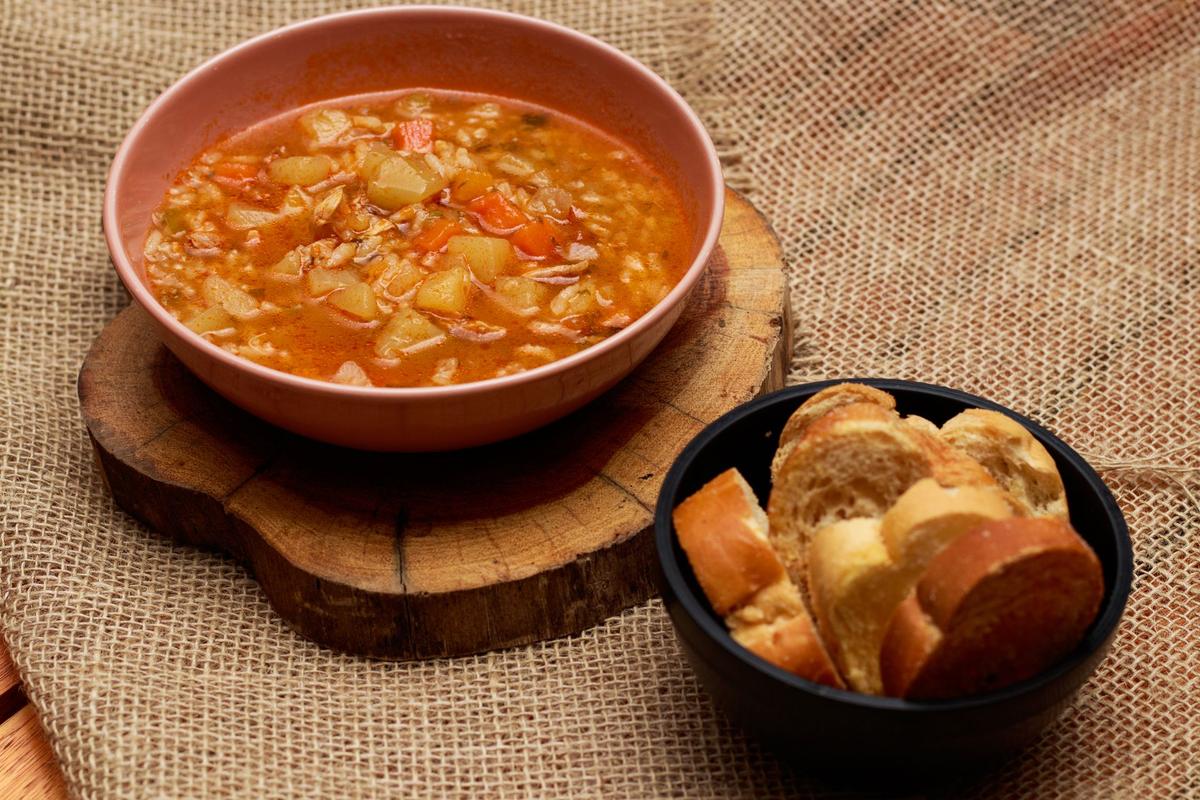
Soup is the classic cook-once food, and it is the classic trap for a small table. The pot makes eight bowls, you eat soup for dinner, lunch and dinner again, and by Friday the last bowl is something you do not want to look at. The answer is to treat the pot as a stock of single meals: cool it fast, pack it in bowl-sized containers, freeze it, and take out one bowl at a time. This guide covers each step and gives the storage times from the federal pages we name.
Why soup fits a small table, if you freeze it
A pot of soup is cheap, forgiving and easy to portion, which is why it suits one or two people. What does not suit a small table is the quantity. Most soup recipes are written for four to eight servings, so even a half batch leaves several bowls. The freezer turns that problem into a reserve of dinners.
We have not cooked a pot of soup for this guide, so there is no recipe here that we claim to have tested. Instead, this page is the method: how to take any soup that you already know how to make, or the soup recipe linked below, and turn the leftover into single bowls that stay safe and taste as good as they can.
Step 1: Cool the pot fast
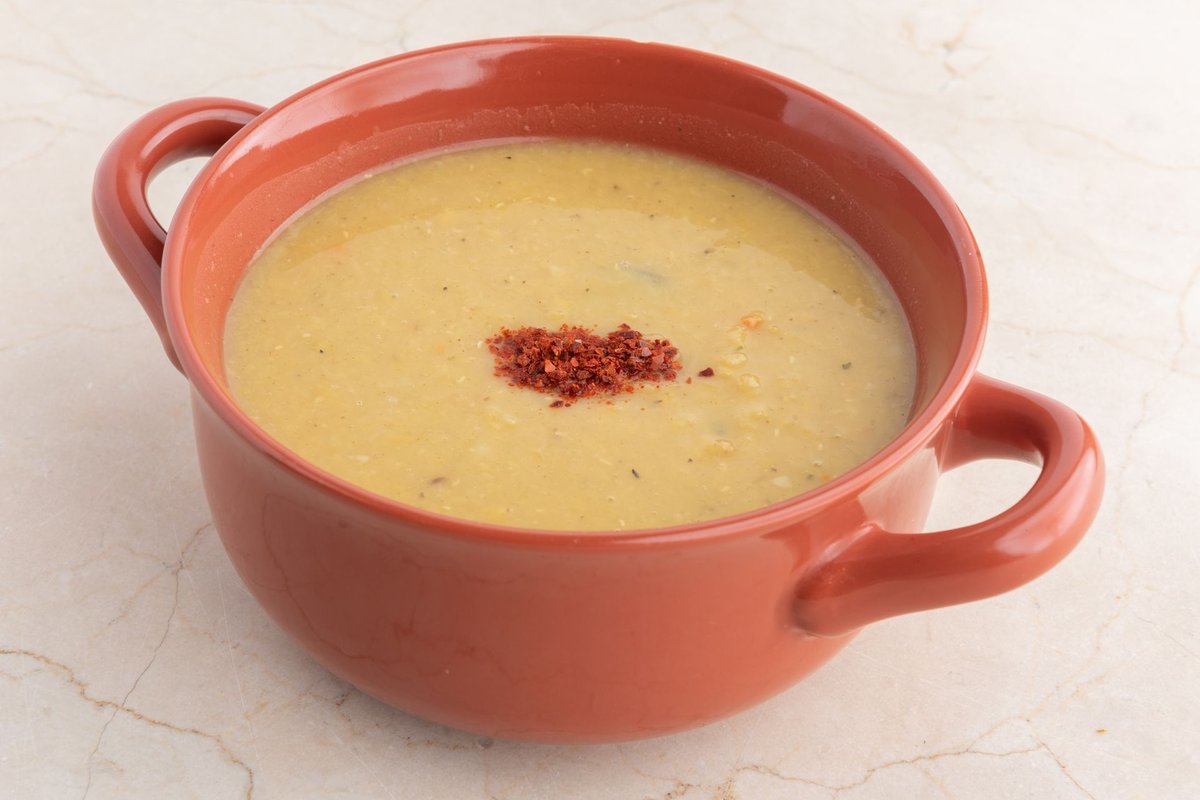
A big hot pot is the riskiest moment in the life of a soup. The USDA Food Safety and Inspection Service Leftovers and Food Safety page says to divide large amounts of food into shallow containers so they cool rapidly, and that a big pot of soup will take a long time to cool. The USDA Food Safety and Inspection Service Leftovers and Food Safety page also says leftovers must be refrigerated within 2 hours of cooking.
In a one-person kitchen that gives a clear job for the end of dinner. Ladle the soup into shallow containers while it is still hot, a little at a time, and do not leave the pot on the stove to cool by itself. The USDA Food Safety and Inspection Service Leftovers and Food Safety page says hot food can be placed directly in the refrigerator, or chilled first in an ice or cold water bath.
Step 2: Pack single bowls
Choose containers that hold the amount you eat at one meal. For many people that is one large bowl or about two cups, but you know your own bowl. Smaller containers have another benefit: they chill and freeze faster. The USDA Food Safety and Inspection Service Freezing and Food Safety page says to freeze food as fast as possible to maintain its quality, and that a food 2 inches thick should freeze completely in about 2 hours.
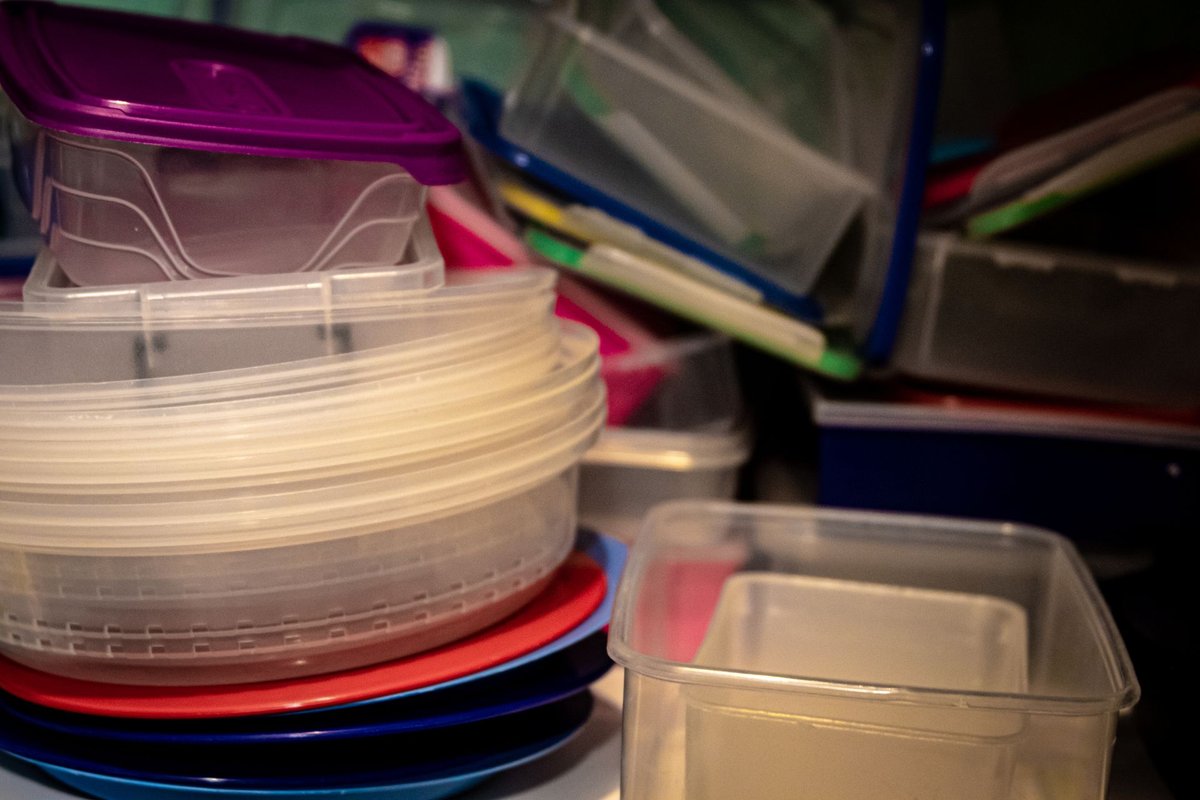
- Cover or seal every container. The USDA Food Safety and Inspection Service Leftovers and Food Safety page says to cover leftovers, wrap them in airtight packaging or seal them in storage containers.
- Label with the dish and the date. A strip of tape and a pen are enough.
- Freeze in one layer first. The USDA Food Safety and Inspection Service Freezing and Food Safety page says never to stack packages that are to be frozen, but to spread them out in one layer and stack them only after they are frozen solid.
- Keep a few for the refrigerator. The soup you will eat in the next day or two does not need the freezer at all.
Step 3: Know how long it keeps
Two clocks run on every pot of soup, and they are easy to confuse. The refrigerator clock is about safety. The freezer clock is about quality. The FoodSafety.gov Cold Food Storage Chart gives its refrigerator times for a refrigerator at 40°F or below and its freezer times for a freezer at 0°F or below.
| Where | Soups and stews |
|---|---|
| Refrigerator, 40°F or below | 3 to 4 days |
| Freezer, 0°F or below | 2 to 3 months for best quality |
The FoodSafety.gov Cold Food Storage Chart lists 3 to 4 days in the refrigerator and 2 to 3 months in the freezer for soups and stews with vegetables or meat added. The USDA Food Safety and Inspection Service Freezing and Food Safety page says freezer storage times are for quality only and that frozen foods remain safe indefinitely. So a bowl that sits in the freezer for four months is safe, even if it is not at its best.
Which soups freeze well
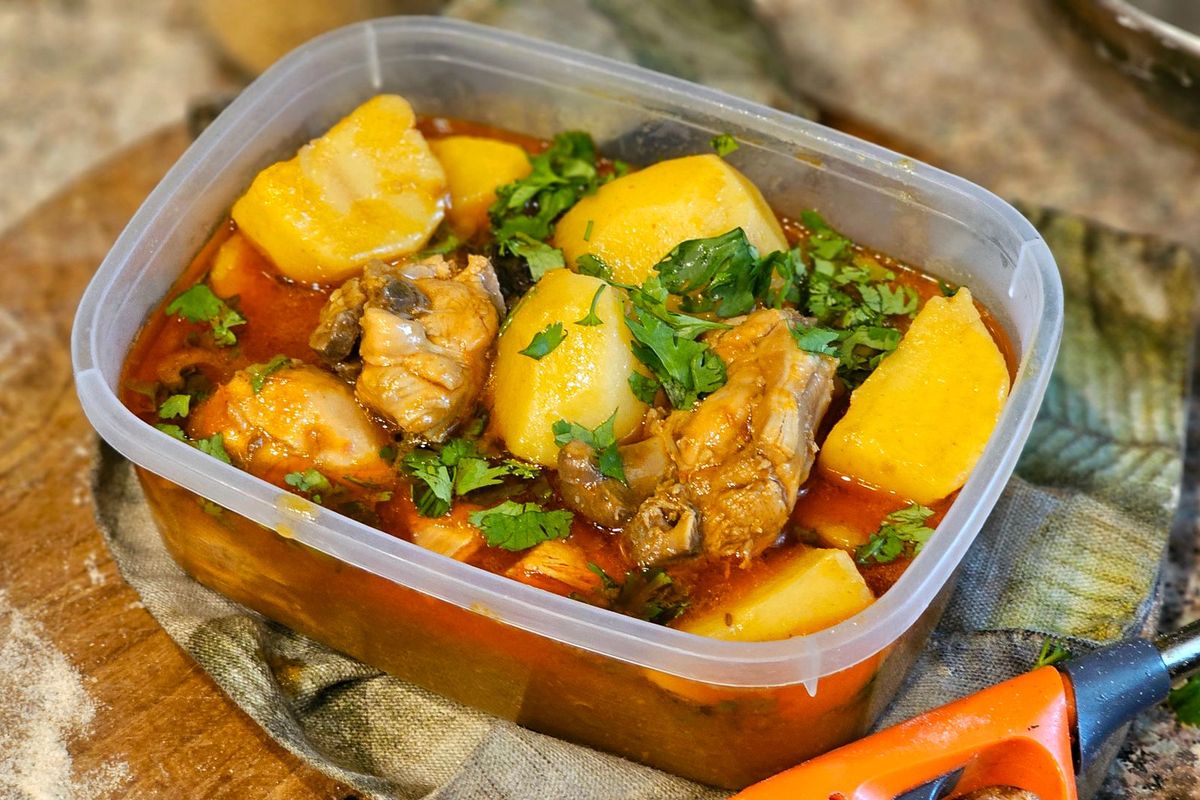
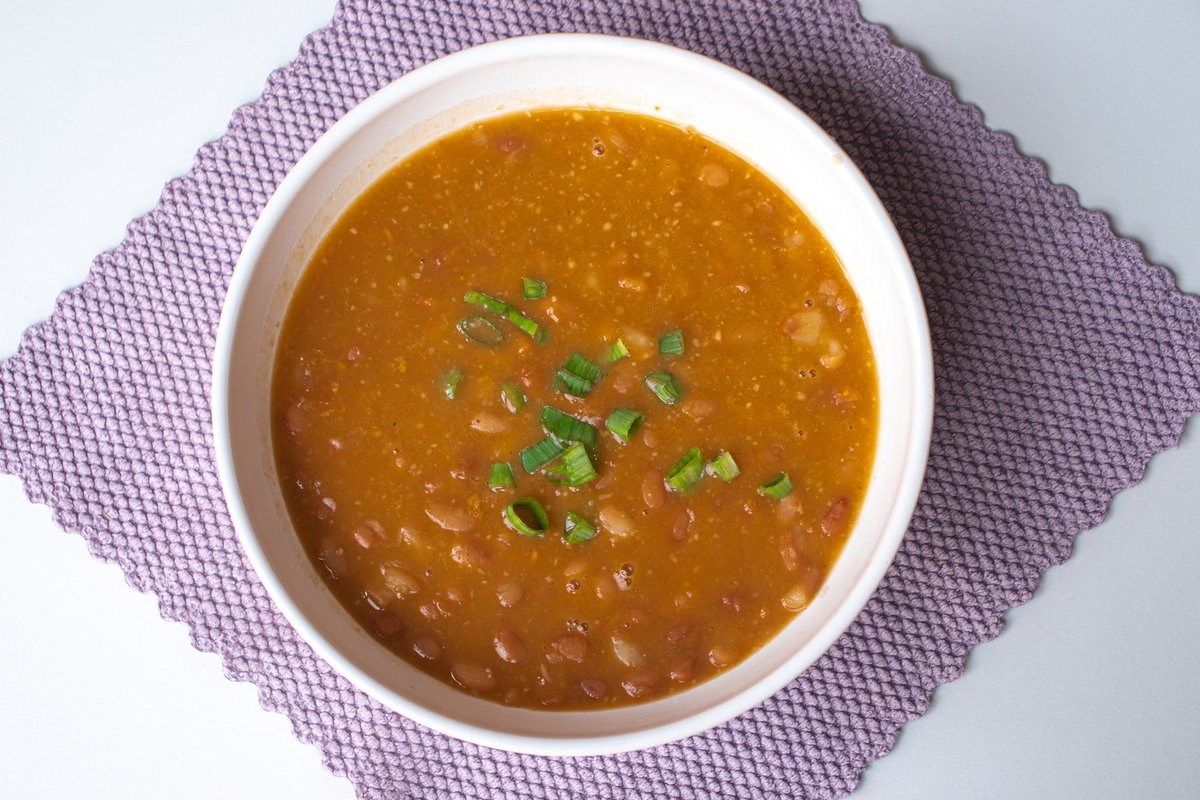
Broth-based soups, such as vegetable, bean and lentil soup, are the easiest to freeze because they are mostly liquid with soft pieces. The USDA Food Safety and Inspection Service Freezing and Food Safety page says some foods do not freeze well, and gives mayonnaise, cream sauce and lettuce as examples. So a soup finished with cream or a cream sauce may separate. If you want a creamy soup, you can freeze it before adding the cream and stir the cream in when you reheat it.
The one soup recipe we link is the broccoli potato soup in our easy dinners for two guide, which is already scaled to two bowls. For a pot of beans and broth, the canned goods in our pantry list for cooking for one make a good start.
Step 4: Thaw and reheat safely
The USDA Food Safety and Inspection Service Leftovers and Food Safety page says safe ways to thaw leftovers include the refrigerator, cold water and the microwave oven. The USDA Food Safety and Inspection Service Leftovers and Food Safety page says leftovers thawed in the refrigerator should be used within 3 to 4 days or can be refrozen. That gives you a simple habit: move tomorrow's bowl from the freezer to the refrigerator tonight.
When time is short you can skip the thaw. The USDA Food Safety and Inspection Service Leftovers and Food Safety page says it is safe to reheat frozen soup or stew without thawing, in a saucepan or the microwave, although it takes longer. Whichever way you go, finish the job properly. The USDA Food Safety and Inspection Service Leftovers and Food Safety page says to reheat leftovers to 165°F as measured with a food thermometer, and to bring soups, sauces and gravies to a rolling boil.
A simple soup week for one or two
- Day 1: cook the soup, eat one bowl, and pack the rest in single containers.
- Day 2: eat a refrigerated bowl. Put the others in the freezer in one layer.
- Day 3 or 4: eat the last refrigerated bowl, inside the 3 to 4 days the chart gives.
- Later weeks: take a frozen bowl to the refrigerator the night before you want it.
For other freezer-friendly dinners, read our guide to freezer meals for one. More storage and planning guides are in Planning, Freezer and Pantry.
Common mistakes to avoid
- Letting the pot cool on the stove. Divide it into shallow containers right away.
- Freezing the whole pot in one container. You will have to thaw all of it to eat one bowl.
- Stacking warm containers in the freezer. Spread them out in one layer first.
- Forgetting the label. Write the dish and the date.
- Reheating until the soup is only warm. Bring it to a rolling boil and check 165°F.
Your next step
Buy six containers that hold one bowl each and keep them together in one cupboard. The next time you make soup, fill them instead of the pot. This page is general information, not medical advice; check your own dietary needs before you cook.