Small Batch Cookies and Brownies for Two: Dough Rules
By Small Table Kitchen · Updated 2026-11-16
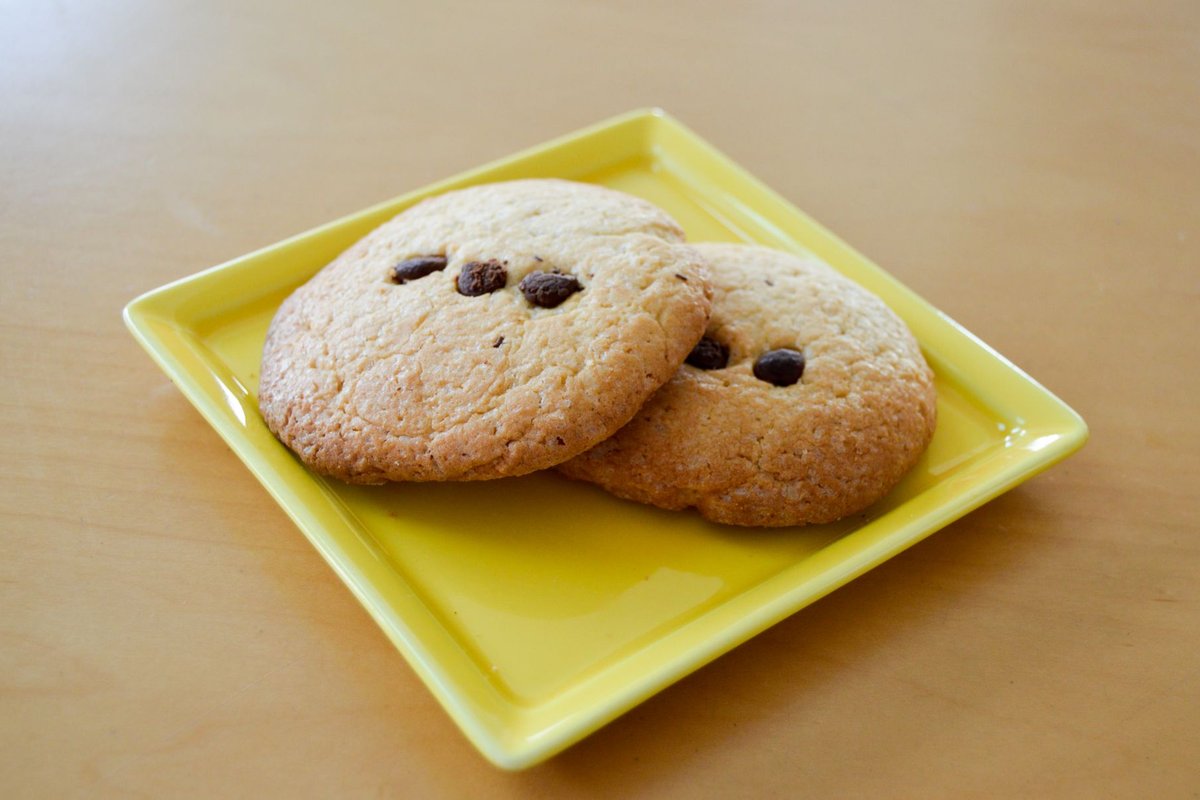
A cookie recipe that makes two dozen is a lot of cookies for two people. By the fourth day the last ones are dry, and the brownie pan is still half full. You can still bake a treat; you just bake less of it. This guide is about the steps around any cookie or brownie recipe you already own: the raw dough rule, how to cut the amounts, how to freeze dough so you bake only a few at a time and how to handle brownies in a small pan. It is written for a table of one or two.
We have not baked any of this ourselves. The government recipe collections we use have no cookie or brownie recipe, so this page does not give one: it works on yours. The safety and freezing points come from federal pages, named where we use them, and the arithmetic is ours.
Read the raw dough rule first
Baking for two means more time at the counter with a small bowl and a spoon, and dough is easy to taste. Before you do, read the rule on flour and raw dough. The FDA Handling Flour Safely page says flour is a raw food, and that processing raw grains into flour does not kill harmful bacteria. The FDA Handling Flour Safely page says many foods made with flour also contain raw eggs, which may contain harmful bacteria, and that cooking is the only way to be sure foods made with flour and raw eggs are safe.
The rule that follows is short. The FDA Handling Flour Safely page says never to eat or taste raw flour, dough or batter. The FDA Handling Flour Safely page also says not to try to heat-treat flour in your own home, because home treatments may not effectively kill all bacteria and do not make flour safe to eat raw.
Clean up after the flour
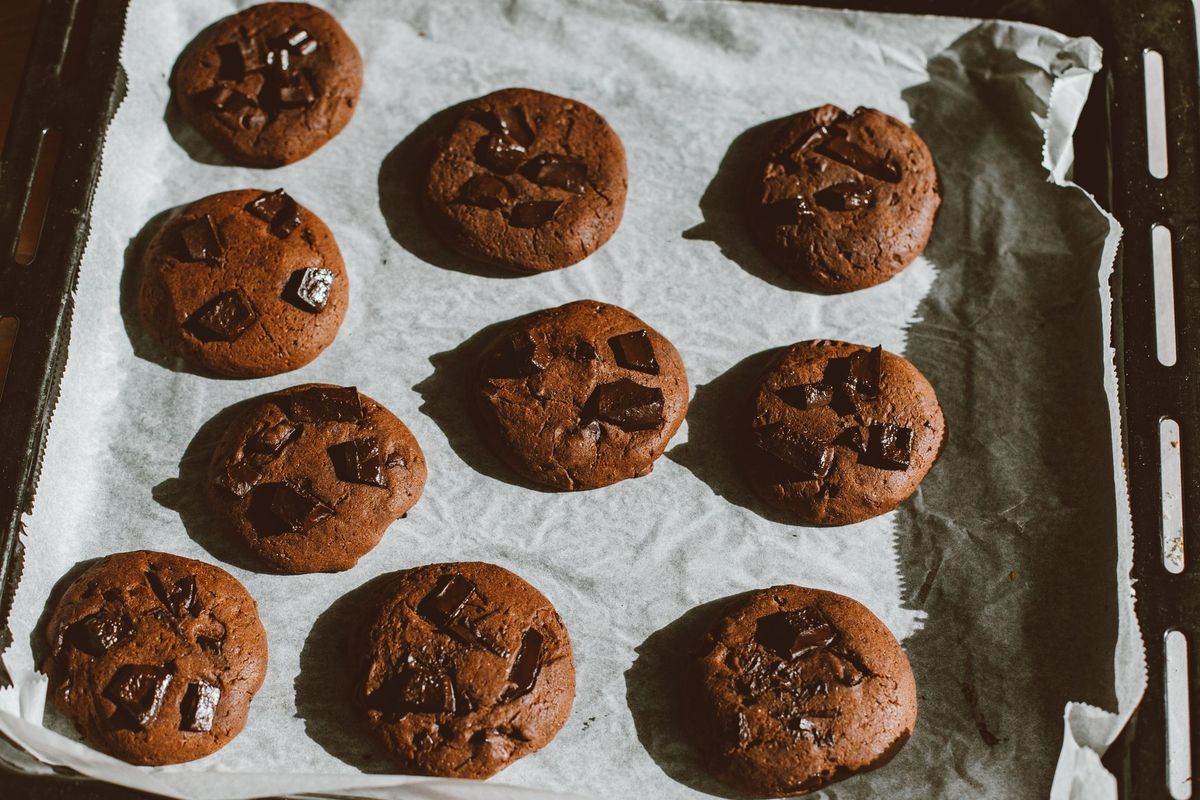
The FDA Handling Flour Safely page says to keep raw foods such as flour and eggs separate from ready-to-eat foods, and it points out that flour is a powder and spreads easily. The FoodSafety.gov 4 Steps to Food Safety page says to use hot, soapy water to thoroughly wash plates, utensils and cutting boards that touched raw meat, poultry, seafood, eggs or flour. Wash the mixing bowl and spoon before you plate the finished cookies, not after.
Decide how many you want
Start from the number, not from the recipe. Two cookies each after dinner is four cookies. Add a few more if you want a treat for tomorrow, and you have your batch size. The table shows what to multiply by when the recipe makes more than you want. Read the line that matches your recipe, then multiply every amount in the recipe by the same fraction.
| Recipe makes | You bake about | Multiply by |
|---|---|---|
| 24 cookies | 6 cookies | 1/4 |
| 12 cookies | 4 cookies | 1/3 |
| 12 cookies | 6 cookies | 1/2 |
| 16 brownies | 4 brownies | 1/4 |
So 1 cup of flour becomes 1/4 cup at a quarter, 1/3 cup at a third and 1/2 cup at a half. A tablespoon at a quarter is 3/4 teaspoon. Our guide to cutting a recipe down to two servings has the full chart, and the small batch desserts guide explains what to do with the leftover part of an egg.
Bake a few, freeze the rest of the dough
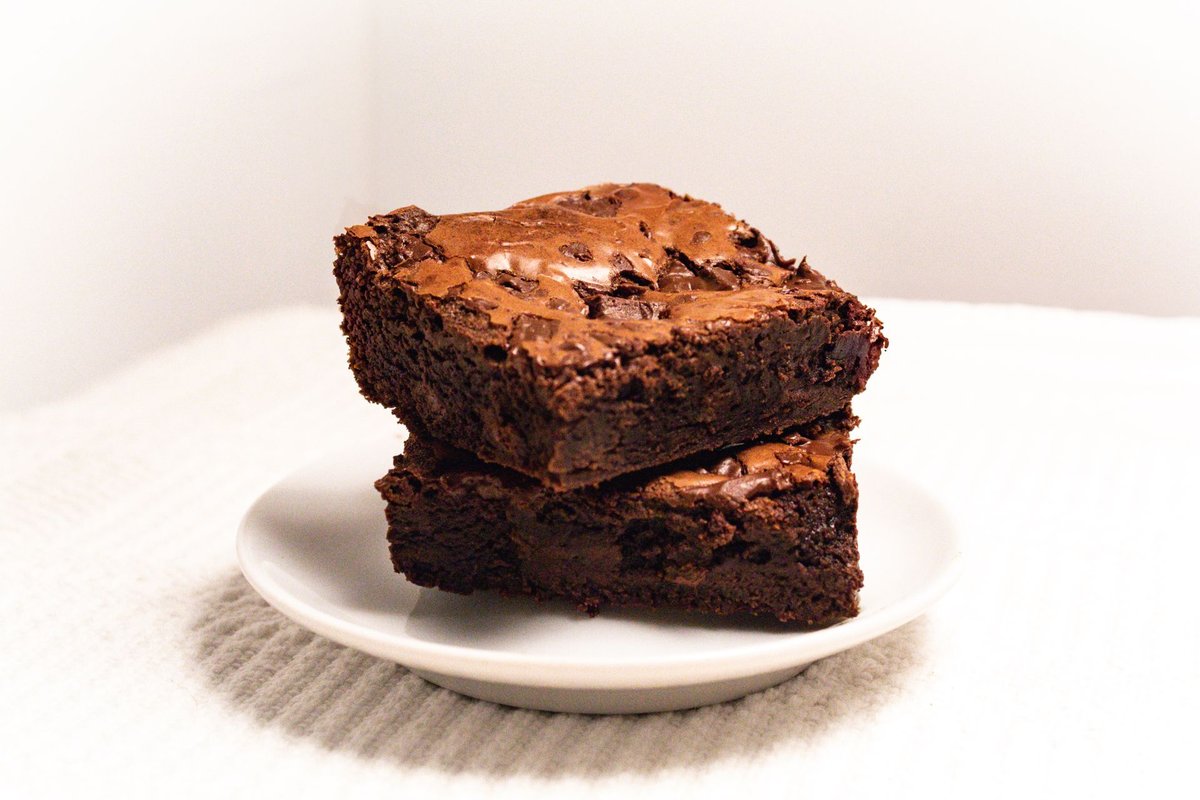
A freezer solves the two-dozen problem. The USDA Food Safety and Inspection Service freezing page says you can freeze almost any food. That means you can make a full recipe once, bake four cookies and keep the rest of the dough for another day, which is easier than doing the arithmetic every time.
How you freeze it matters. The USDA Food Safety and Inspection Service freezing page says to freeze food as fast as possible to maintain its quality, and never to stack packages that are being frozen but to spread them out in one layer, stacking them only after they are frozen solid. In practice, scoop the dough into portions on a tray, freeze the tray, then move the scoops to a container. The USDA Food Safety and Inspection Service freezing page also says proper packaging helps maintain quality and prevent freezer burn.
Until you freeze it, the dough has to stay cold. The FDA Handling Flour Safely page says to refrigerate cookie and pastry dough according to the package directions, and to use a refrigerator thermometer to be sure the refrigerator is at a safe 40°F. Write the date on the container, and bake from the frozen scoops a few at a time, following the baking time on your recipe and checking the cookies a little early.
Brownies in a small pan
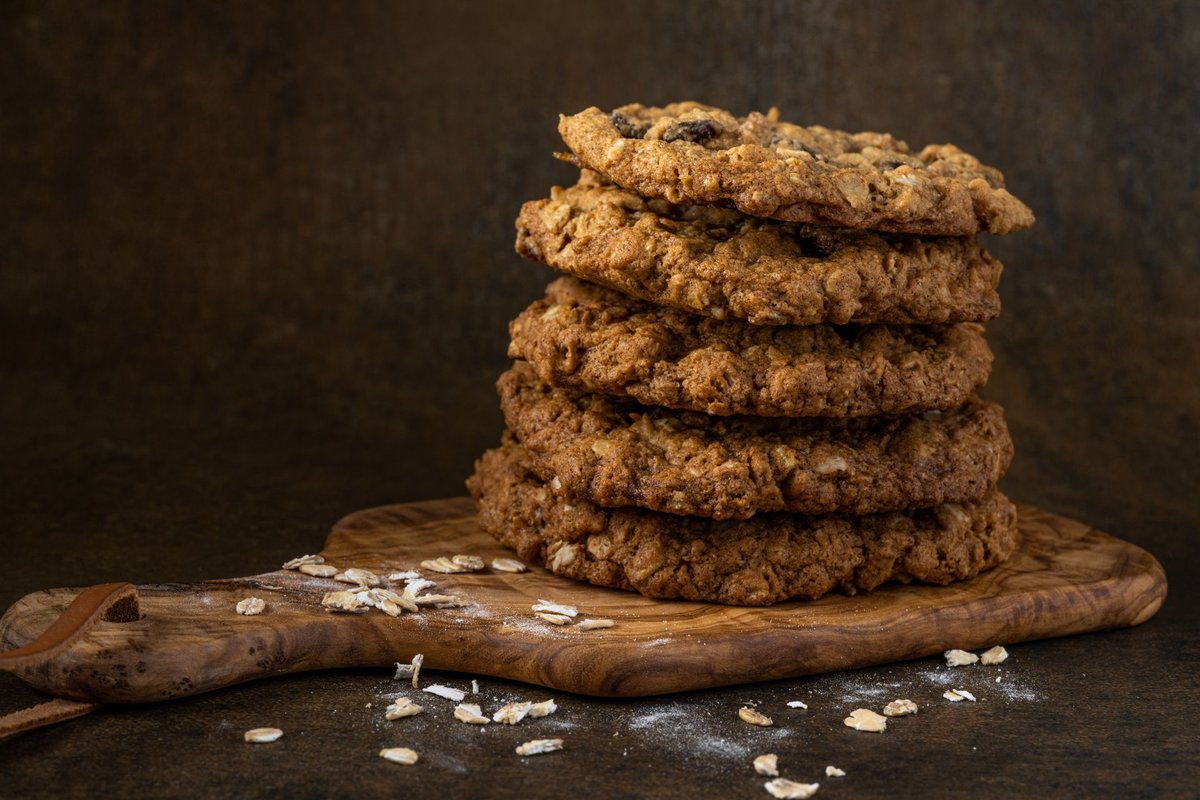
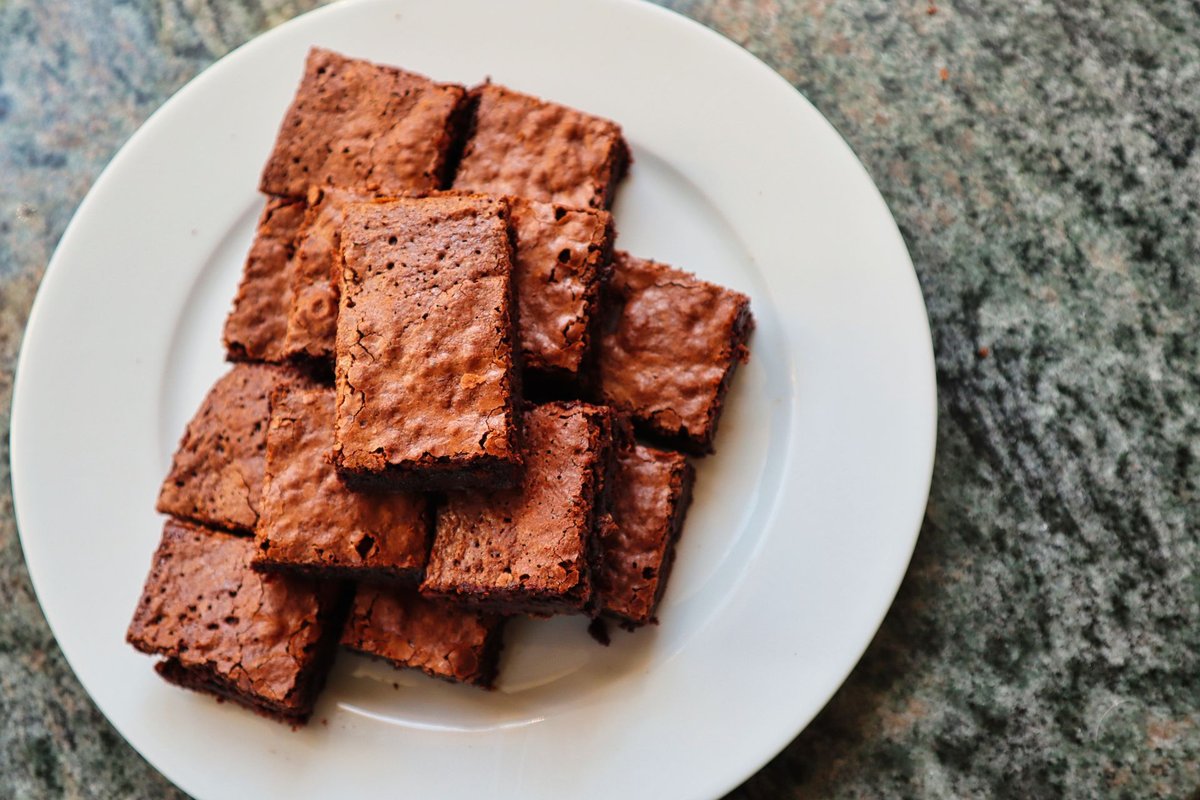
Brownie batter goes into one pan, so a smaller batch is the simpler answer. Mix the quarter or half amount from the table and bake it in a small baking dish that the batter fills. A thin layer in a big pan bakes through faster and comes out dry.
- Cut the baked pan into squares and eat two tonight.
- Wrap the rest of the squares one by one, so you can take out one at a time.
- The extra squares can wait in the freezer. The USDA Food Safety and Inspection Service freezing page says recommended freezer storage times are for quality only, and that food stored constantly at 0°F will always be safe.
We have no federal storage time for baked cookies or brownies at room temperature, so we do not give one. Follow the note in your own recipe, and if you are not sure how long a batch has been sitting out, bake less next time.
Common mistakes to avoid
- Tasting the dough. Bake first, then taste.
- Spreading a small batter across a big pan. Choose a dish the batter fills.
- Setting the timer for the full time on the recipe. Small pans and a few cookies can finish sooner, so look in early.
- Putting dough scoops in a bag in a heap. Freeze them on a tray first.
- Baking the whole batch because the recipe makes that many. Bake four and freeze the rest of the dough.
Your next step
Pick the one cookie or brownie recipe you like best and decide on a number: four cookies, or two brownies each. Write the fraction from the table on the recipe card. For a dessert with its own government recipe, the small batch desserts guide has frozen fruit pops, and Treats, Holidays and Summer lists more small-batch ideas. Check your own recipe and your own dietary needs before you bake; this page is general information, not medical advice.