Easy Recipes for Seniors to Make: 20 Minutes, 6 Ingredients
By Small Table Kitchen · Updated 2026-11-16
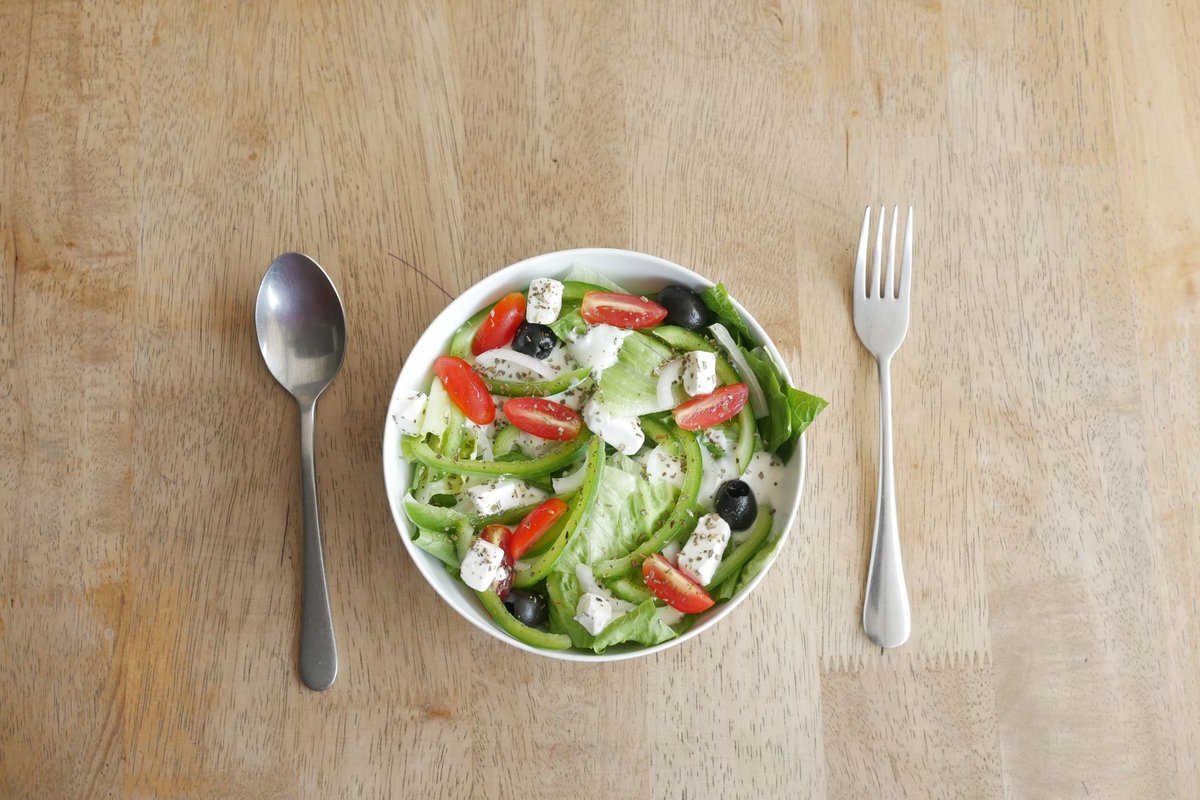
Many recipes ask for ten ingredients, three pans and a free hour, and some days you have none of those. If you want food you can make from a short list with few steps, this guide is for you. It gives four easy recipes from US government recipe pages, each cut or kept to a size for one or two plates. The cooking is short, there is no long prep, and every recipe comes with a plan for the extra portion so nothing is thrown away.
The recipes are linked in the sources at the bottom of the page. Where a recipe was published for more servings, we show the arithmetic of the smaller amount. We have not cooked the scaled versions in our own kitchen, so use the amounts as a careful starting point and taste as you go.
What "easy" means here
A recipe made this list for three reasons: the published time is short, the ingredient list is short, and the steps fit on one small card. Times below are the ones printed on each recipe page. Where a page prints none, the table says so.
| Recipe | Time | Main items |
|---|---|---|
| Parmesan peas | 15 minutes | 5 |
| Avocado deviled eggs | 19 minutes | 7, with 3 pinches |
| Berry bread pudding | No cooking, chill overnight | 4, 2 optional |
| Strawberry mango feta toast | 22 minutes | 7 |
Three of the four are done in 20 minutes or less, and three have 6 main items or fewer, counting the pinches of seasoning separately. The toast is the exception on both counts, so choose by the night you are having. The peas and the pudding are the quickest on your feet. The eggs and the toast are a little more work and make a fuller plate.
1. Parmesan peas, ready in 15 minutes
This is a side dish that can carry a small dinner when you pair it with an egg or a sandwich. The Nutrition.gov Parmesan Peas recipe is published for 7 servings, with 5 minutes of prep and 10 minutes of cooking, 15 minutes in all. We cut it in half, which gives about 3 or 4 small servings from one can of peas.
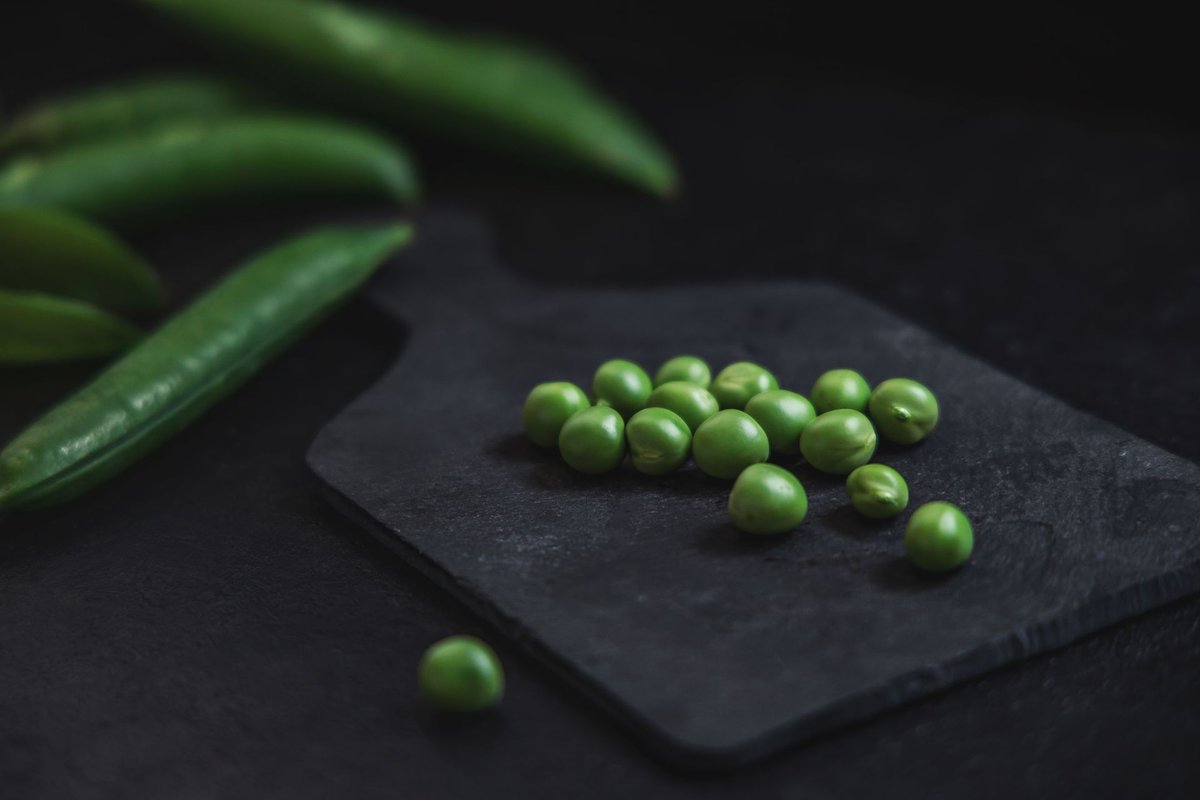
The Nutrition.gov Parmesan Peas recipe lists 2 cans of peas (15 ounce cans), or 16 ounces of frozen peas. Half of that is one 15-ounce can, or 8 ounces of frozen peas.
You need (about 3 to 4 servings): 3/4 teaspoon butter or margarine; one 15-ounce can of peas, drained, or 8 ounces of frozen peas; 3/4 teaspoon lemon juice; 1/2 teaspoon pepper; 3 tablespoons grated Parmesan cheese.
- Melt the butter in a medium skillet over medium heat.
- Add the peas and stir until they are hot all the way through.
- Stir in the lemon juice and pepper.
- Sprinkle the Parmesan over the top and serve warm.
The Nutrition.gov Parmesan Peas recipe cooks the peas 2 to 3 minutes, until they are heated through. The Nutrition.gov Parmesan Peas recipe says you can vary it by using other types of cheese or adding different seasonings.
2. Avocado deviled eggs, two eggs for two plates
The Nutrition.gov avocado deviled eggs recipe has a yield of 4, with 5 minutes of prep and 14 minutes of cook time. Two eggs make four halves, so as published it is already the size of a two-person side or a light lunch. Only one quarter of an avocado goes in, which makes it a good home for the rest of an avocado that is sitting in your fridge.
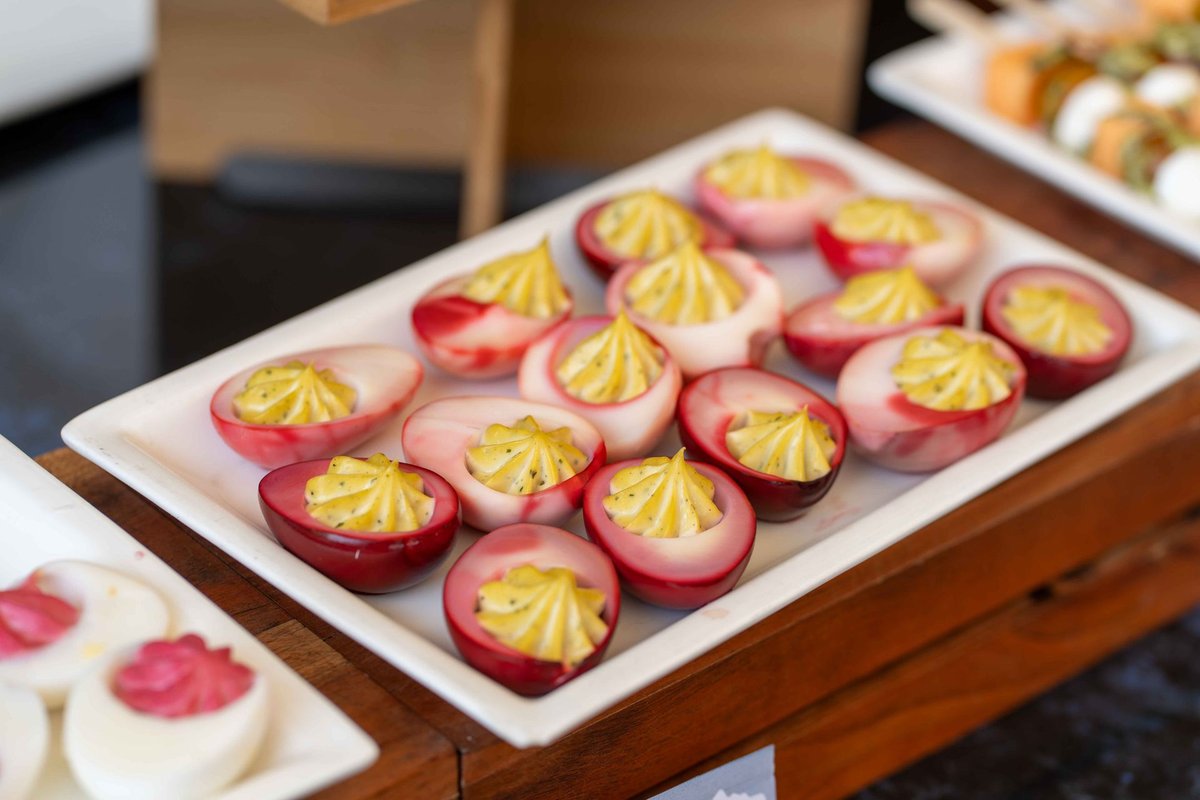
You need (4 halves): 2 large eggs; 1/4 of a large avocado, peeled and pitted; 1 teaspoon lemon juice or vinegar; 1 teaspoon olive oil; a pinch each of salt, black pepper and paprika.
- Put the eggs in a saucepan and cover them with water by about 1 inch.
- Bring the water to a boil, turn off the heat, cover the pot and let it sit.
- Move the eggs to ice water, peel them and slice them in half lengthwise.
- Mash the yolks in a small bowl with a fork, then mash in the avocado, lemon juice, oil, salt and pepper.
- Spoon about 1 tablespoon of the mixture into each egg white half and dust with paprika.
The Nutrition.gov avocado deviled eggs recipe has you cover the eggs with water by about 1 inch, bring the water to a boil, turn off the heat and let the covered pot sit for 12 to 13 minutes before moving the eggs to ice water. The Nutrition.gov avocado deviled eggs recipe suggests adding other spices such as garlic powder, onion powder or cayenne.
3. Berry bread pudding you make the night before
This is the easiest dessert or breakfast on the list because you never turn on the stove. The Nutrition.gov berry bread pudding recipe describes a no-cook bread pudding, published for 2 servings. It is also the one recipe here we use exactly as printed, with no scaling.
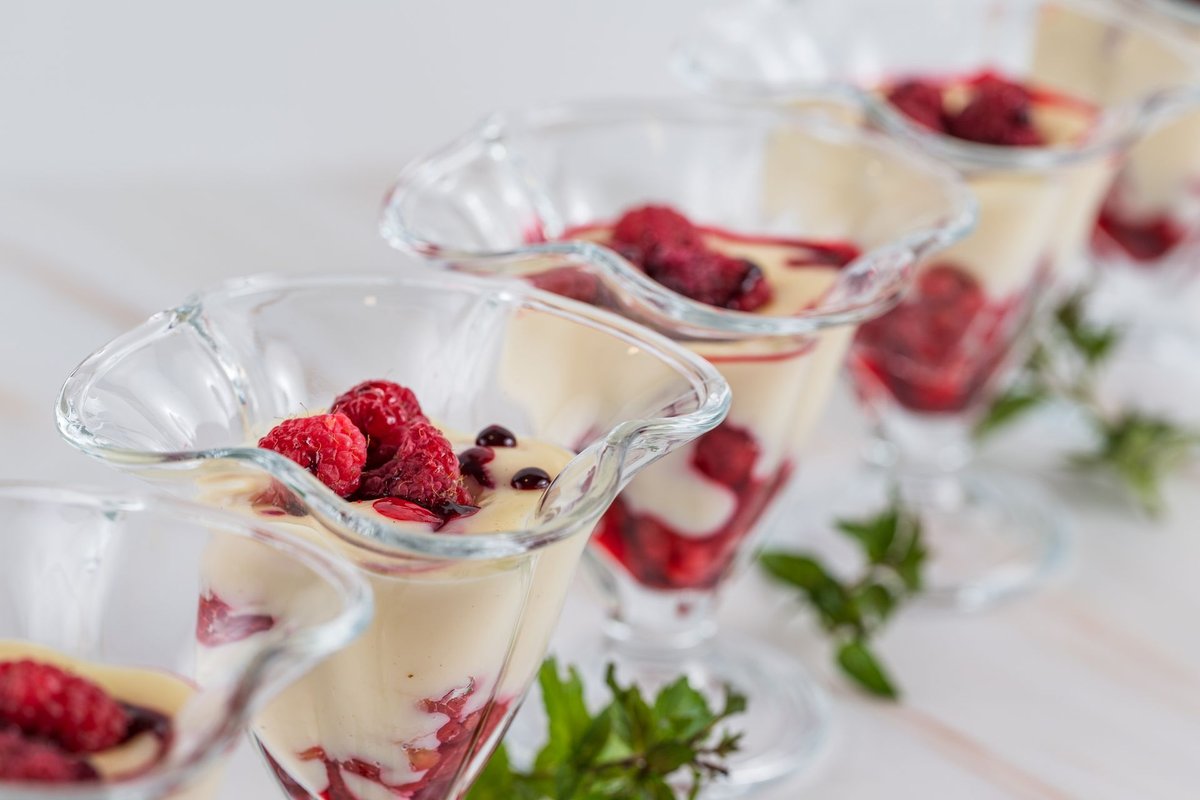
You need (2 servings): 1 1/2 cups berries (unsweetened frozen blueberries, or sliced strawberries or raspberries), thawed; 5 slices of whole wheat bread with the crusts removed; 1/2 teaspoon powdered sugar, optional; vanilla low-fat yogurt for serving, optional.
- Stir the thawed berries with the sugar, if you use it.
- Spoon a layer of berries into a small 2-cup deep dish, cover it with bread, and keep layering. End with bread.
- Cover the dish with plastic wrap, set a small plate on top and press it down with something heavy, such as a can.
- Refrigerate overnight, then top with a spoonful of yogurt or a sprinkle of powdered sugar.
The Nutrition.gov berry bread pudding recipe has you refrigerate the covered dish overnight with a plate and a heavy object on top. The Nutrition.gov berry bread pudding recipe says to check that juice does not run over the top.
4. Strawberry mango feta toast for two
This is the fussiest of the four, but there is still no oven and no pan. The Nutrition.gov strawberry mango feta toast recipe is published for 4 servings, with 20 minutes of prep and 2 minutes of cooking. We halved every amount to serve two. The toppings in the photo below are different from this recipe's; it only shows the idea of fruit on toast.
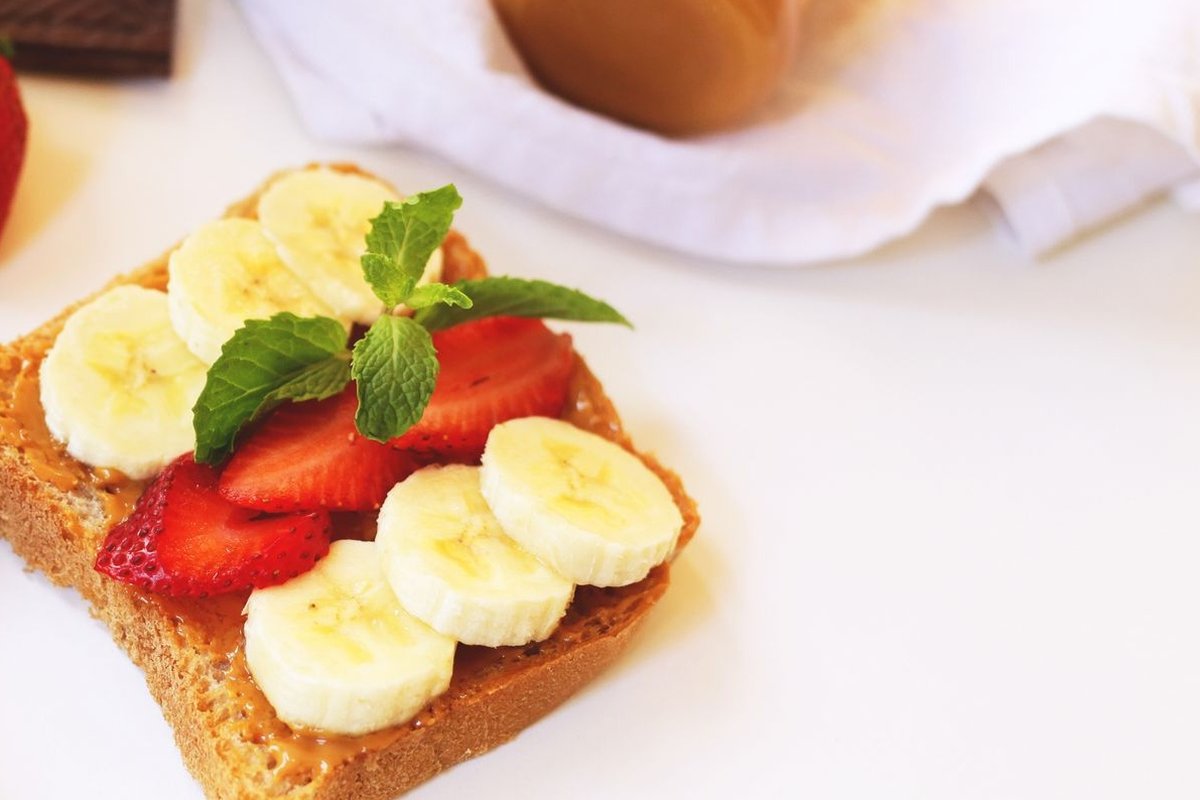
The Nutrition.gov strawberry mango feta toast recipe calls for fat-free feta crumbles and whole wheat bread. The Nutrition.gov strawberry mango feta toast recipe blends part of the fruit with basil, vinegar and oil into a vinaigrette, then pours it over the diced fruit and feta.
You need (2 servings): half of a ripe medium mango; 1 cup strawberries; 1/4 cup fat-free feta crumbles; 1 tablespoon balsamic vinegar; 1 tablespoon olive oil; 1/2 cup basil leaves plus 1 tablespoon for topping; 2 slices of whole wheat bread.
- Peel and pit the mango. Dice most of the mango and most of the strawberries and put them in a bowl with the feta.
- Blend the rest of the fruit with about 2 tablespoons of the basil, the vinegar and the oil into a dressing. A small blender cup works, or chop everything very fine and stir it together.
- Pour the dressing over the diced fruit and toss gently.
- Toast the bread, cut each slice in half on the diagonal and spoon the fruit on top. Add the chopped basil.
What to do with the extra
When you cook for one or two, the leftovers are the plan, not an accident. Here is what the food-safety pages say about the three items that can have a second life.
- Peas from a can. The USDA Shelf-Stable Food Safety page lists 3 to 4 days in the refrigerator after opening for low-acid canned goods, with peas among its examples. The USDA Shelf-Stable Food Safety page says unused portions of canned food may be refrigerated in the can, but that placing the unused portion in a glass or plastic storage container preserves quality and flavor.
- Hard-cooked eggs. The FoodSafety.gov Cold Food Storage Chart lists hard-cooked eggs at 1 week in the refrigerator and says not to freeze them. The chart has no line for filled eggs, so we suggest making only as many as you will eat soon.
- Any leftover. The FoodSafety.gov safe minimum temperature chart gives 165°F for leftovers of any type.
The FoodSafety.gov 4 Steps to Food Safety page says never to leave perishable foods out of refrigeration for more than 2 hours, or 1 hour if they are above 90°F. The FoodSafety.gov 4 Steps to Food Safety page says leftovers should be placed in shallow containers and refrigerated promptly to allow quick cooling.
Common mistakes to avoid
- Opening a second can because the recipe says "2 cans". Halve the recipe, and keep the unopened can in the pantry.
- Peeling the eggs while they are still hot. Move them to ice water first, as the recipe does.
- Skipping the weight on the bread pudding. The pressing step is what holds the layers together overnight.
- Reading a time as a promise. Check each dish a few minutes early in a small pan.
Your next step
Pick one recipe for this week, and write down the one thing you need to buy for it. The peas and the pudding are the shortest lists. If you want a bigger plan, see our guide to an easy dinner for one, and for dishes that rest in the freezer, read freezer meals for one. More dinners sized for a small table live in Dinners for One or Two. Check each original recipe and your own dietary needs before you cook; this page is general information, not medical advice.
Sources
- www.nutrition.gov/recipes/parmesan-peas
- www.nutrition.gov/recipes/avocado-deviled-eggs
- www.nutrition.gov/recipes/berry-bread-pudding
- www.nutrition.gov/recipes/strawberry-mango-feta-toast
- www.fsis.usda.gov/food-safety/safe-food-handling-and-preparation/food-safety-basics/shelf-stable-food
- www.foodsafety.gov/food-safety-charts/cold-food-storage-charts
- www.foodsafety.gov/food-safety-charts/safe-minimum-internal-temperatures
- www.foodsafety.gov/keep-food-safe/4-steps-to-food-safety